
Newcastle Emlyn Castle: Visiting Guide, Tips & Tickets (2026)
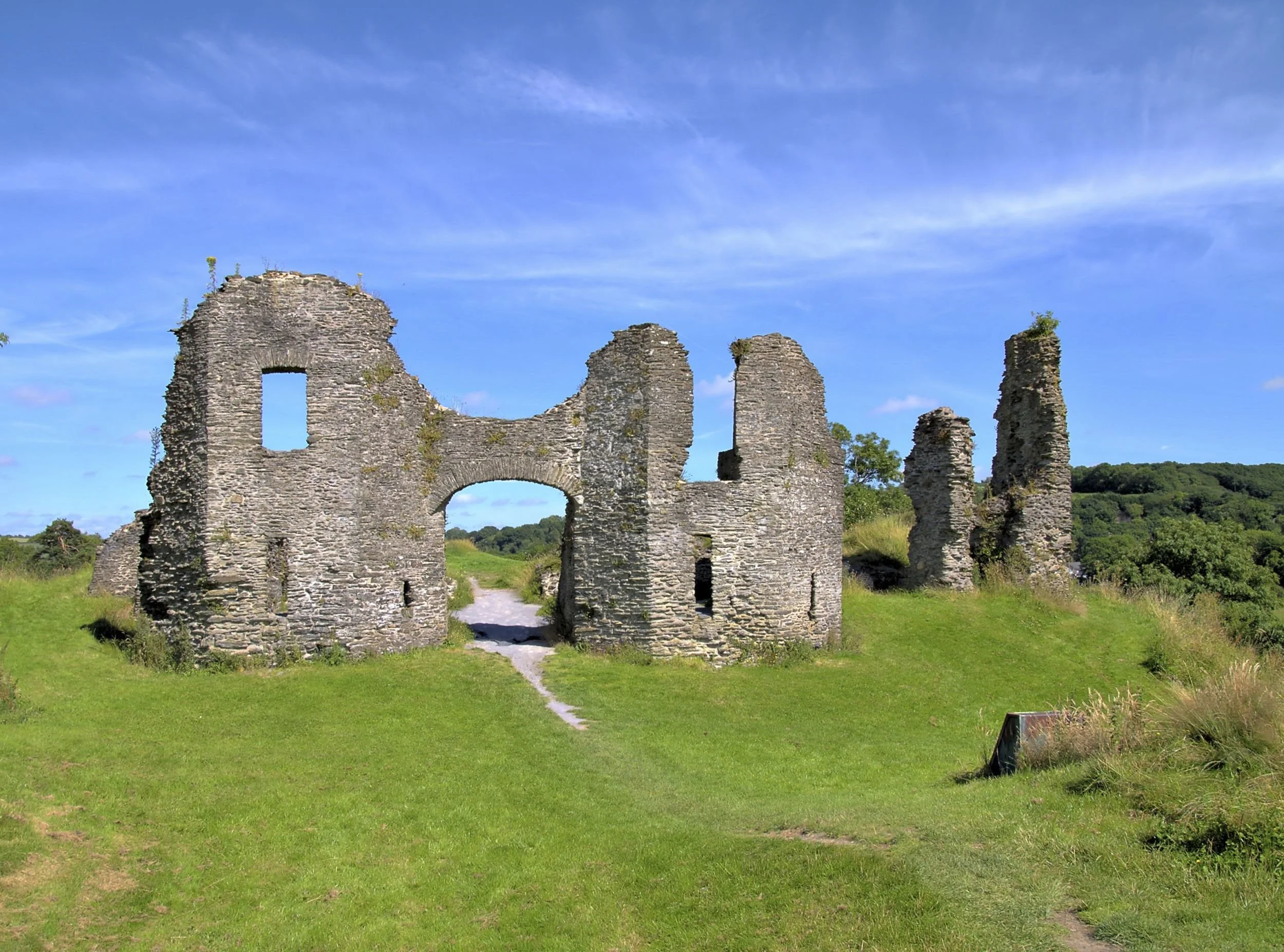
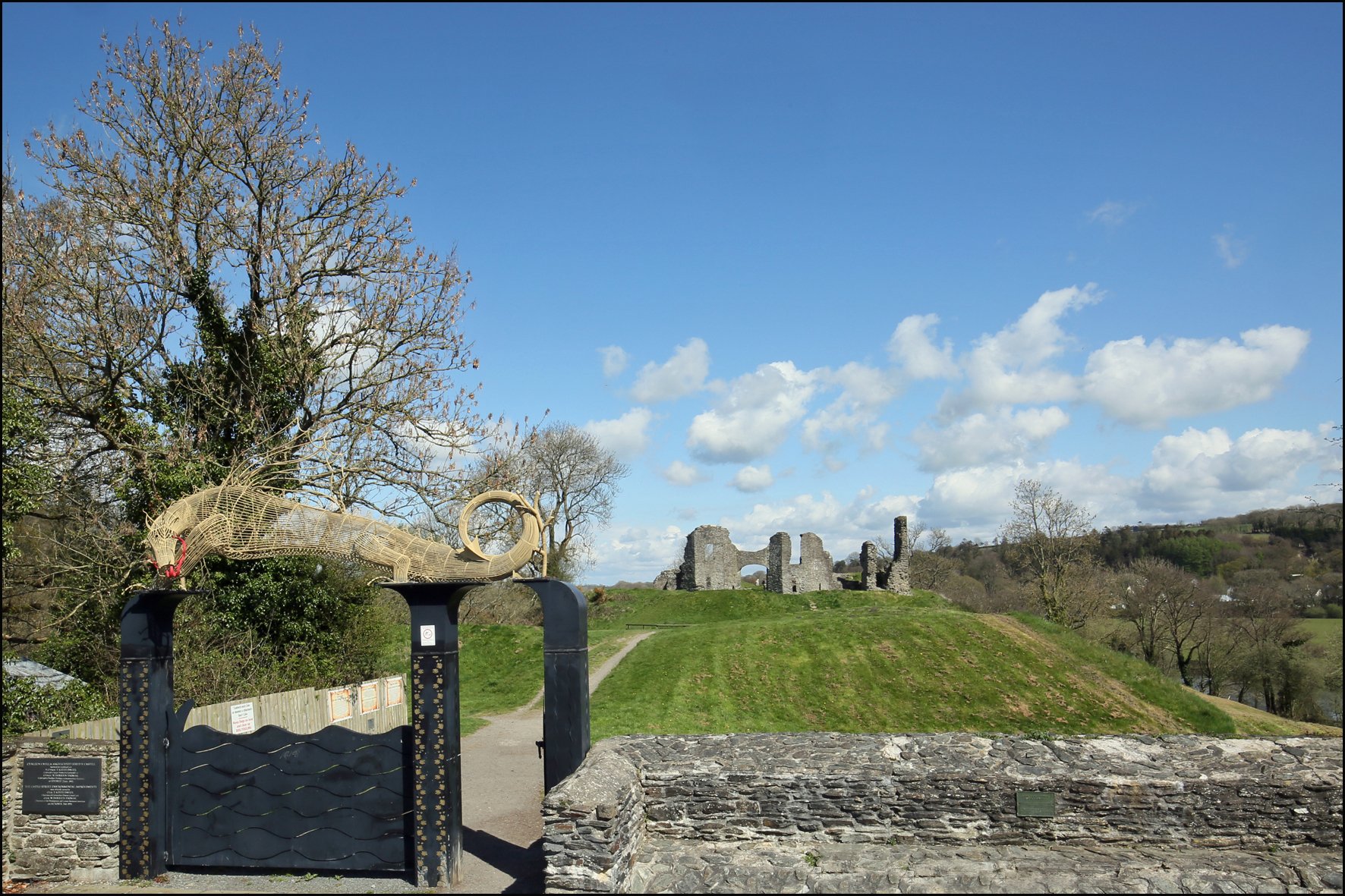
Newcastle Emlyn Castle is a ruined Norman castle in west Wales. It stands above the River Teifi. The site marks a key border area between Ceredigion and Carmarthenshire.
The castle played a role in medieval Welsh and Norman conflict. It later became a residence for Welsh nobility. Today, the remains show parts of its strong stone structure.
You can visit the site on foot from the nearby town. The ruins are open and free to access.
Visiting
Newcastle Emlyn Castle is open to the public. The site has no formal ticket system.
Opening Times
10am-5pm (According to Google)
Ticket Prices
Free entry
No booking required
Directions
The castle is in Newcastle Emlyn town centre
Follow signs from the main street towards the River Teifi
A short walk leads to the ruins
Facilities
No on-site visitor centre
No toilets at the castle
Shops and cafés are available in the town
Parking
Public car parks are available nearby in the town
On-street parking is limited
Dog Policy
Dogs are allowed
Keep dogs under control due to uneven ground
Nearby Castles (Part of a Castle Crawl!)
Cilgerran Castle
Cilgerran Castle is next to the River Teifi in west Wales. Built in the early 13th century, it played a key role in defending the contested borderlands between Norman lords and native Welsh rulers.
Cardigan Castle
Cardigan Castle is located on the banks of the River Teifi in Ceredigion, West Wales. It is known for its Norman origins and association with the first National Eisteddfod in 1176.
Visitor Tips
Wear sturdy shoes. Ground is uneven and loose
Take care near wall edges. No safety barriers in places
Visit in daylight. There is no lighting on site
Use town facilities before arrival. None exist at the castle
Bring a camera. River views are clear from the walls
Keep dogs under close control at all times
Check weather before visiting. Paths can become slippery
A Brief History
Newcastle Emlyn Castle began as a Norman stronghold. Early records link the site to the 12th century. The first structure was likely timber.
Welsh forces attacked the castle in 1215. Llywelyn the Great led this campaign. His army destroyed the Norman site.
A new stone castle rose in the late 13th century. Maredudd ap Rhys built it. He was a local Welsh ruler. The design used strong curtain walls. These are defensive stone walls that enclose a castle.
The castle later passed to English control. The castle gradually came under English control following the conquest of Wales under Edward I. The site then lost military value. It became a residence.
By the 17th century, the castle fell into ruin. Stone was taken for local building use. Today, only parts of the structure remain.
Features and Layout
Newcastle Emlyn Castle has a simple but strong design. The remains show a rectangular layout.
The main defence was a curtain wall. This is a high stone wall that surrounds the site. Parts of this wall still stand. You can see thick masonry and narrow openings.
A gatehouse once controlled entry. This structure is now mostly gone. Only low stone sections remain.
There were likely towers at key points. These gave views over the River Teifi. They helped with defence and surveillance.
Inside the walls stood domestic buildings. These included a hall and living quarters. Little survives above ground today.
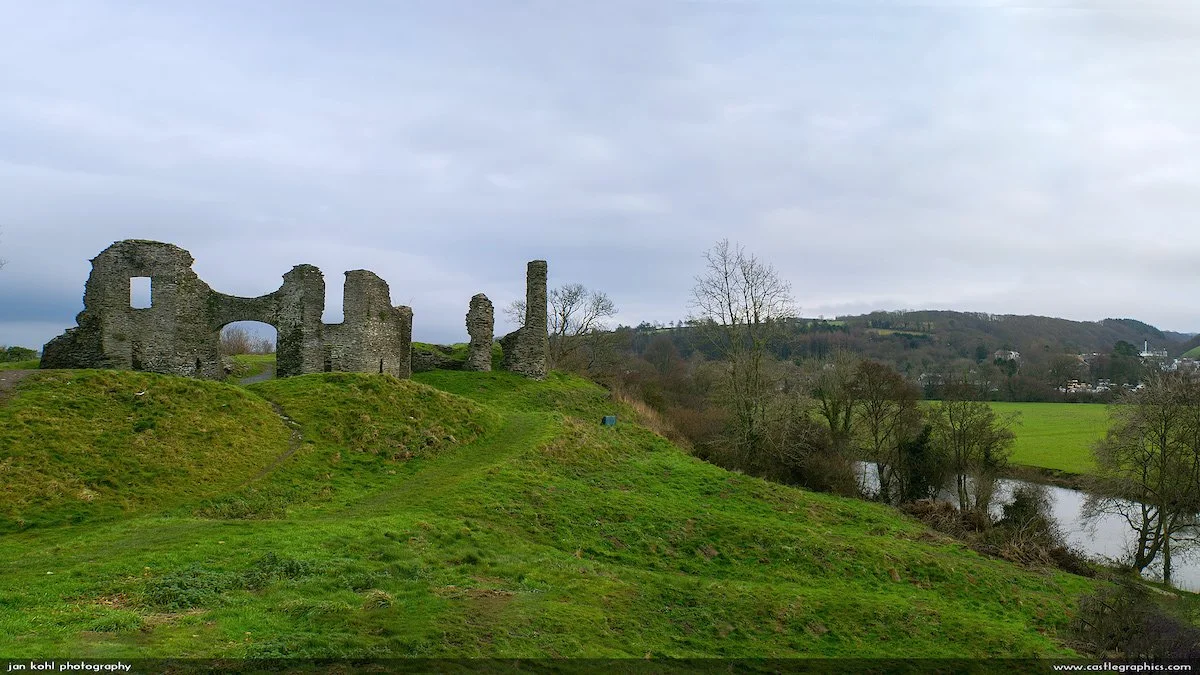
The site uses a natural slope for defence. The river forms a barrier on one side. This reduced the need for extra walls.
Did You Know?
Visitors often notice worn stone steps near the wall base. These marks show heavy foot use over many centuries.
Images
Legends and Stories
Newcastle Emlyn Castle has a small number of recorded local stories. Most accounts come from visitor reports and local tradition.
One story links the castle to hidden passages. Some visitors claim there were tunnels under the site. These tunnels were said to lead towards the River Teifi. No confirmed evidence supports this. The idea appears in local guide material and informal visitor reports.
Another tale refers to ghost sightings. A figure is said to appear near the ruined walls at dusk. Reports describe a silent presence moving along the stone edges. These accounts appear in online visitor comments, including posts on TripAdvisor.
There are also mentions of lost treasure. Local folklore suggests valuables were hidden during periods of conflict. No finds have been recorded in official surveys.
These stories form part of local interest. They are not supported by archaeological records.
FAQs
Is Newcastle Emlyn Castle free to enter?
Yes. Entry is free. No ticket is needed.
Who built Newcastle Emlyn Castle?
Maredudd ap Rhys built the stone castle in the late 13th century.
Can you access all parts of the ruins?
No. Some areas are unstable. You must stay on safe ground.
Is parking available near the castle?
Yes. Public car parks are in Newcastle Emlyn.
Are dogs allowed on site?
Yes. Dogs are allowed. You must keep them under control.
How long does a visit take?
Most visits last 20 to 40 minutes.
Conclusion
Newcastle Emlyn Castle shows the remains of a medieval stronghold. The site reflects Welsh and Norman conflict. It later served as a residence.
You can explore the stone walls and layout. The River Teifi adds a natural defence feature. The site is easy to access and free to enter.
The castle suits a short visit. It also links well with nearby sites in the Teifi Valley.
Sources
https://www.carmarthenshire.gov.wales/home/council-services/leisure-sport/castles-and-heritage/newcastle-emlyn-castle/
Provided visitor access details, facilities, and site overview.https://coflein.gov.uk/en/site/94460/
Provided historical background and structural information.https://www.britainexpress.com/attractions.htm?attraction=2546
Provided general history and architectural summary.