
Hopton Castle: Visiting Guide, Tips & Tickets (2026)
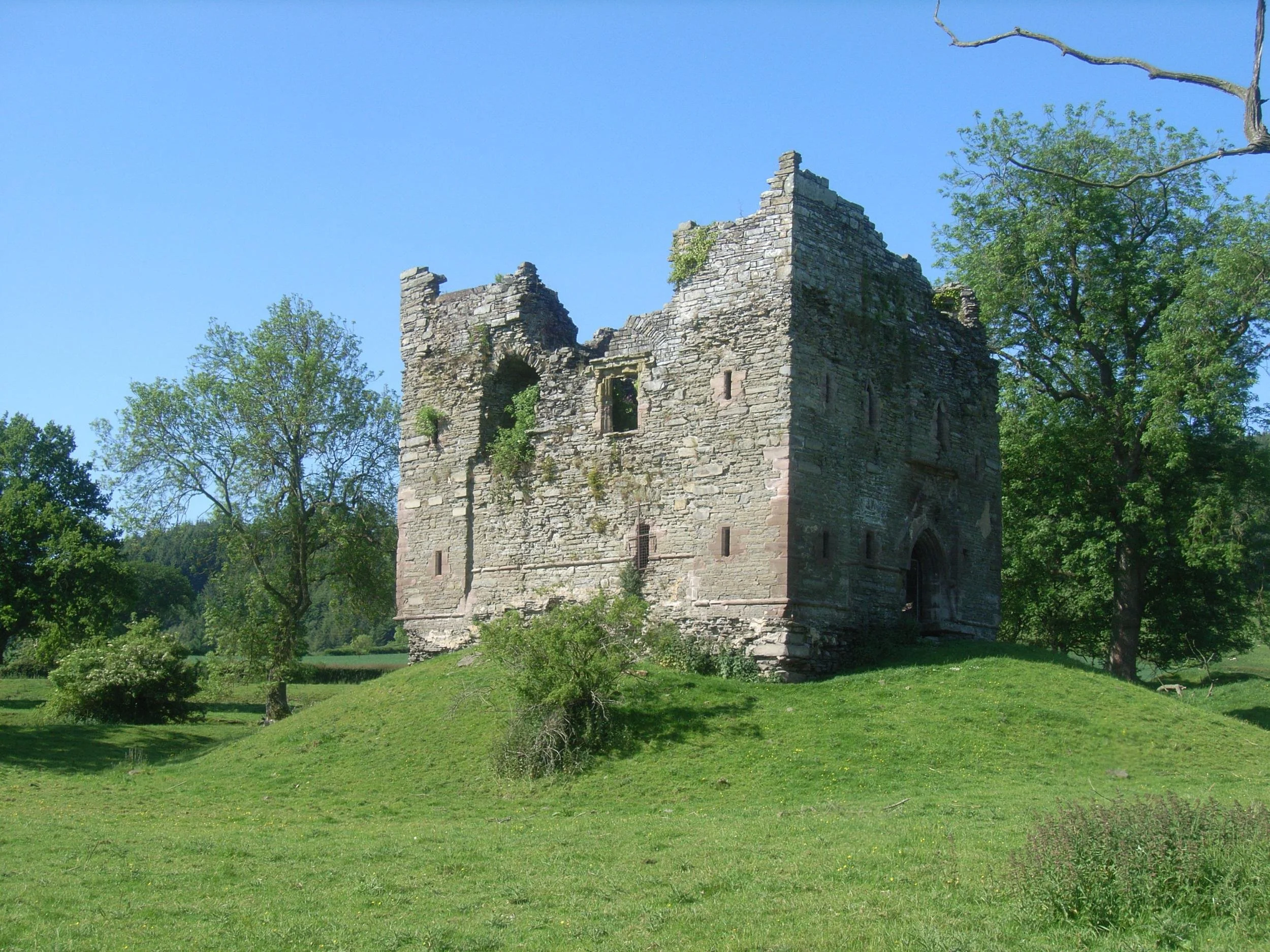
Hopton Castle is a ruined medieval fortress near the village of Hopton Heath, close to the border between England and Wales. The site played a role in the English Civil War. It is known for a siege in 1644 that ended in the deaths of the defending garrison.
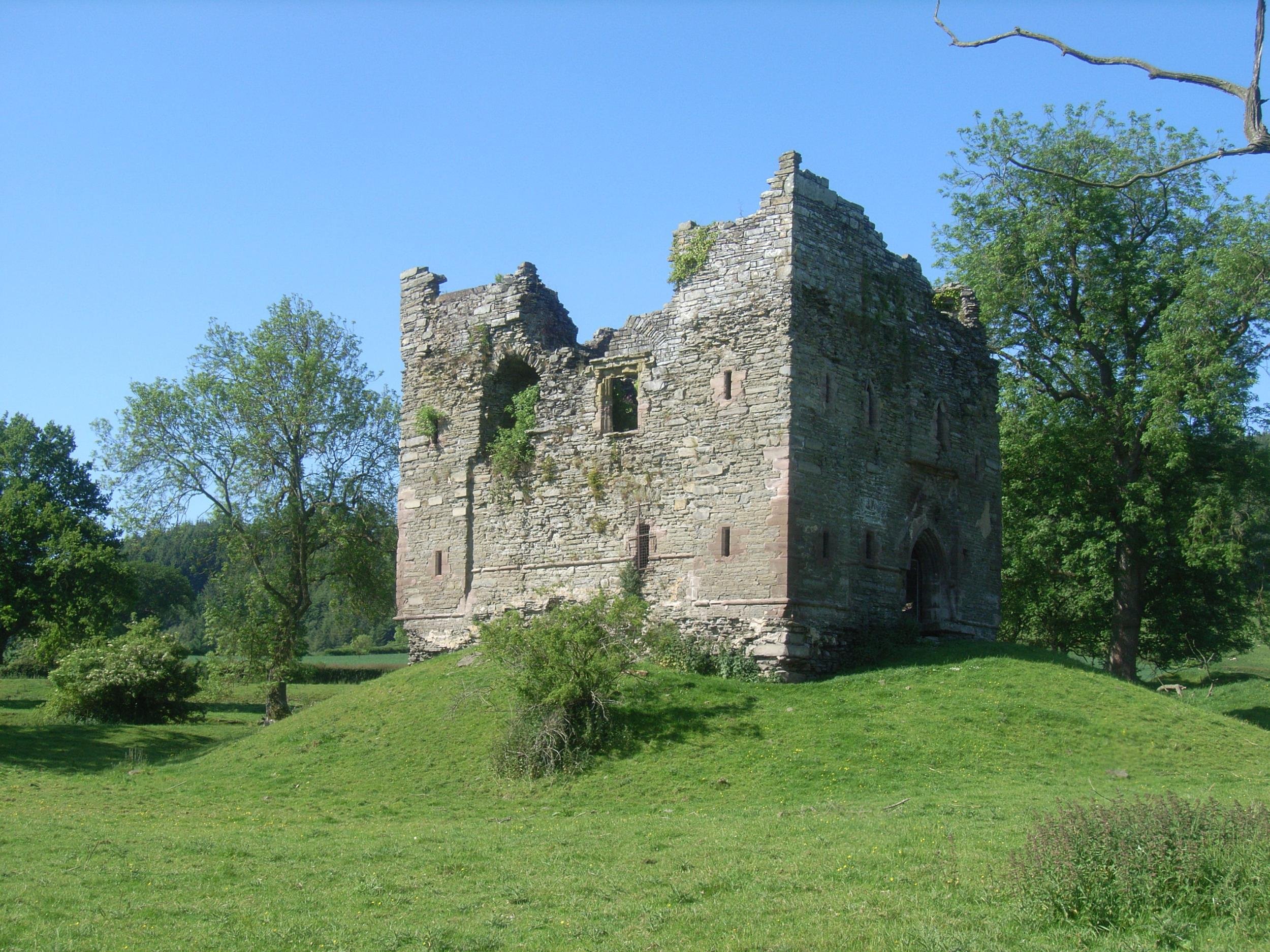
The remains show parts of a stone keep and sections of the curtain wall. The layout reflects a small but fortified structure built for defence rather than comfort.
The castle is now open to the public. It offers clear views of the surrounding countryside. Visitors can walk through the ruins and read on-site information panels.
Visiting
Hopton Castle is open to the public as a free historic site. It is managed by English Heritage.
Opening Times
The site is open daily during daylight hours. There are no fixed closing gates.
Ticket Prices
Entry is free. No ticket is required.
Directions
Hopton Castle is near Hopton Heath in south Shropshire.
You can reach it by car via local rural roads. Parking is available close to the site.
The nearest rail station is Hopton Heath. It is a short walk from the station to the castle.
Facilities
There are no on-site facilities such as toilets or cafés.
Information panels are present to explain the history.
Dog Policy
Dogs are allowed on site. They should be kept under control due to open ruins and uneven ground.
Nearby Attractions (Part of a Castle Crawl!)
Adding.
Visitor Tips
Wear sturdy shoes. The ground is uneven.
Take care near broken walls and edges.
Bring water and snacks. There are no facilities on site.
Allow time to read the information panels. They explain the siege clearly.
Visit in dry weather for safer footing.
Keep dogs under control at all times.
Use the nearby parking area. Do not block access roads.
A Brief History
Hopton Castle was built in the early 14th century. The de Hopton family held the land. They built a fortified stone keep to control the local area. The design shows a focus on defence.
Ownership changed over time. The castle passed through several families. It stayed in use as a residence and stronghold during the late medieval period.
The most recorded event took place during the English Civil War. In 1644, Royalist forces attacked the castle. A small Parliamentarian garrison defended it. The siege lasted several weeks.
The defenders surrendered after heavy damage. Reports state that many of the garrison were killed after the surrender. This event is one of the most noted parts of the castle’s history.
After the war, the castle fell into ruin. It was not rebuilt. The remains show damage from the siege, including broken stonework and collapsed sections.
Features and Layout
Hopton Castle has a simple and compact layout. The design reflects its role as a defensive site.
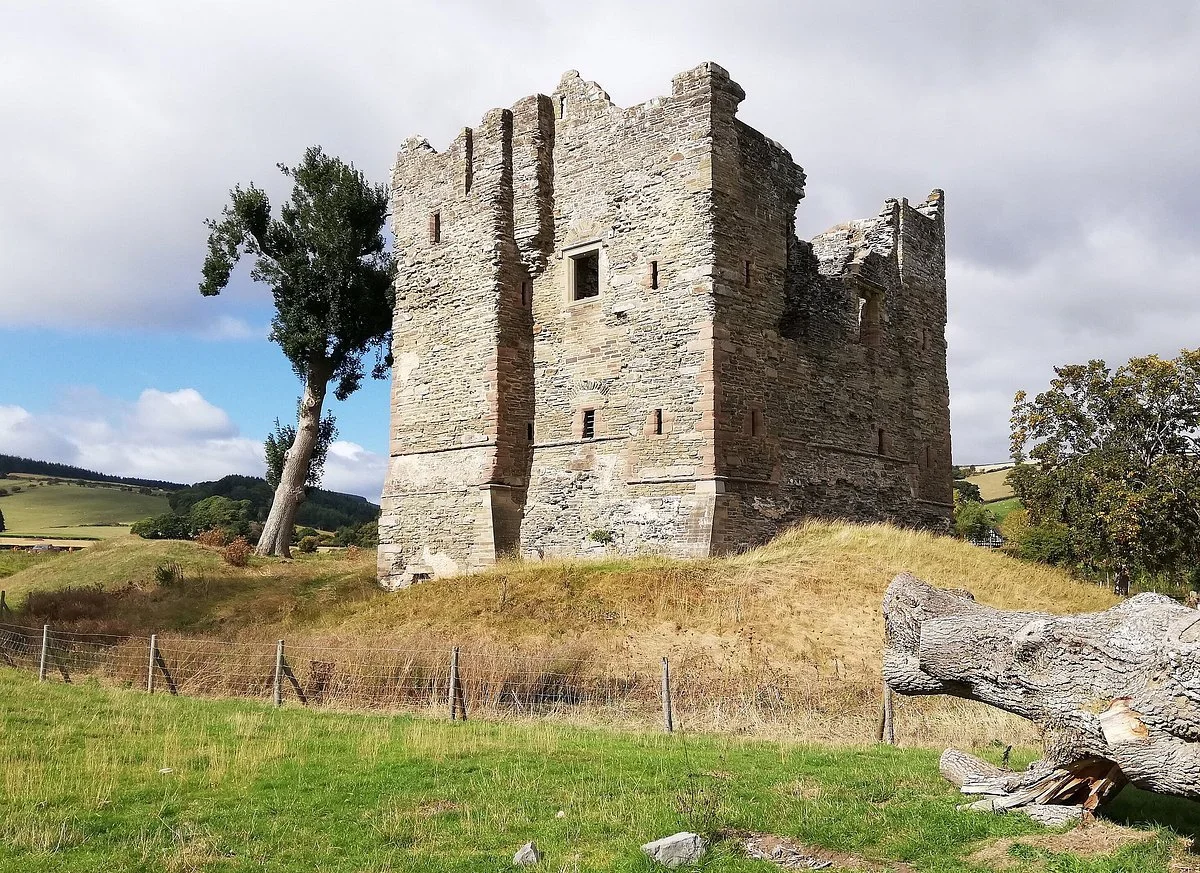
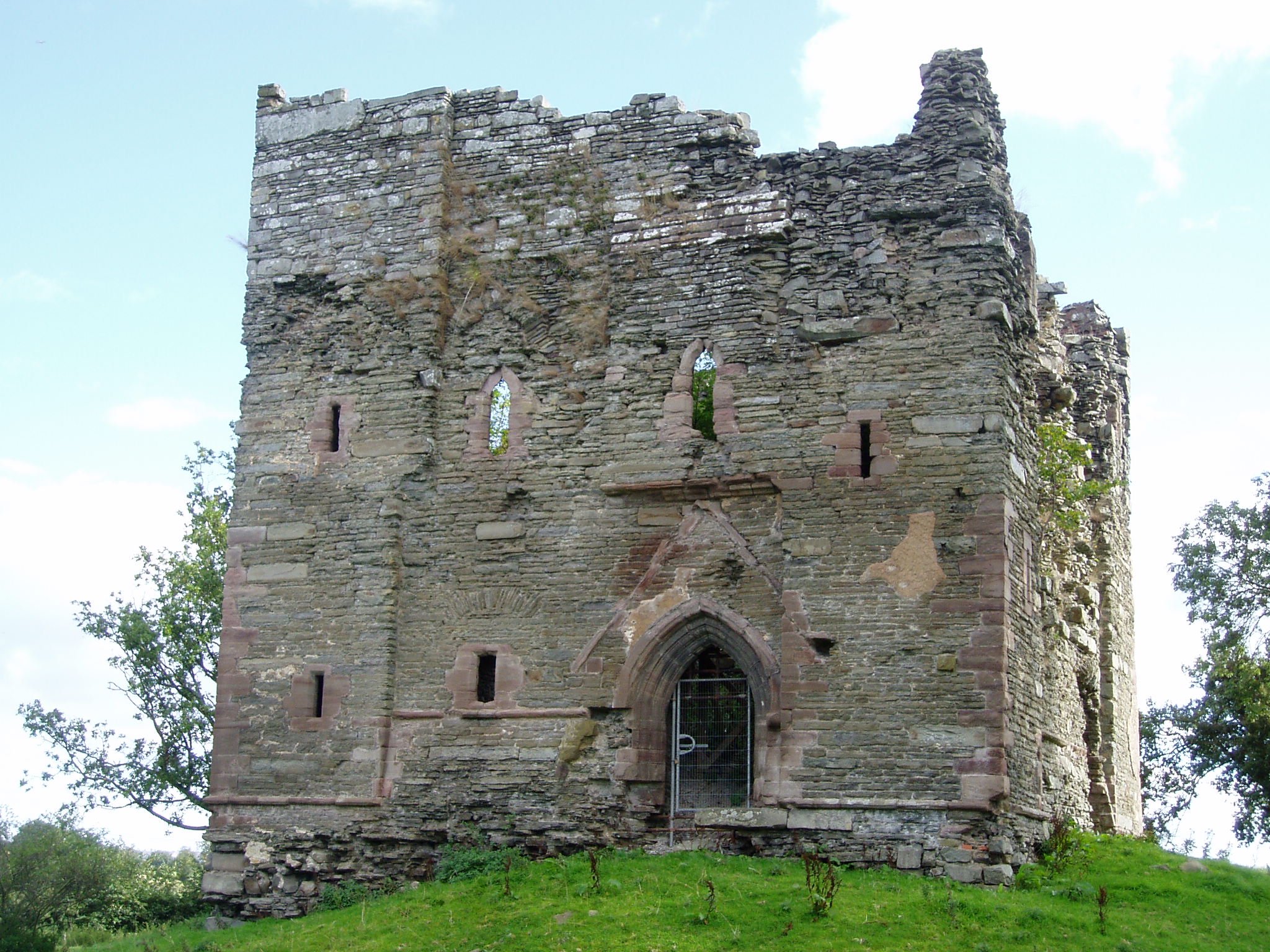
The main feature is a rectangular stone keep. This was the centre of defence and living space. Thick walls provided protection against attack. Narrow window openings reduced weak points.
A surrounding curtain wall enclosed the keep. This created a small inner ward. The wall added a second line of defence. Parts of this wall still stand today.
The entrance likely had basic defensive features. These may have included a gate and strong wooden doors. Little of this structure remains.
The inner ward was small. It held essential buildings such as storage and service areas. There is no evidence of large domestic ranges.
Visible damage links to the 1644 siege. Sections of wall show collapse and impact marks. This damage has not been rebuilt.
Did You Know?
Visitors can still see rough stone edges and broken wall lines caused by the Civil War attack. These marks give direct evidence of the siege.
Images
Legends and Stories
Hopton Castle is linked to one main historical story rather than folklore. The account comes from reports of the 1644 siege.
The 1644 Garrison Killings
Local records describe the final stage of the siege during the English Civil War. A small Parliamentarian force held the castle. Royalist troops surrounded the site.
The defenders surrendered after heavy damage. Some accounts state that many of the soldiers were killed after they gave up. This event is often cited as a breach of surrender terms.
This account appears in local history sources and heritage interpretation linked to the site, including summaries used by English Heritage.
Memorial to the Fallen
A stone memorial now stands within the castle grounds. It marks those who died during the siege. The inscription reflects the reported killings after surrender.
This feature connects the story to a physical place. Visitors can view it during a walk around the site.
Did You Know?
The memorial was added long after the Civil War. It shows how later generations chose to remember the event.
FAQs
What happened at Hopton Castle during the Civil War?
Hopton Castle was attacked in 1644 during the English Civil War. A small Parliamentarian force defended it. They surrendered after a siege. Reports state that many were killed after surrender.
Is Hopton Castle free to visit?
Yes. Entry is free. The site is open to the public and managed by English Heritage.
How long does a visit take?
Most visits take 30 to 60 minutes. The site is small. You can walk around all areas in a short time.
Can you bring dogs to Hopton Castle?
Yes. Dogs are allowed. Keep them under control due to open ruins and uneven ground.
Is there parking at Hopton Castle?
Yes. There is a small parking area near the site. Access is via local roads.
Conclusion
Hopton Castle is a small medieval ruin with clear links to the English Civil War. The site shows direct evidence of siege damage. The layout is simple and defensive.
The 1644 siege is the most important event in its history. The memorial on site marks this event. Visitors can walk through the remains and view these features at close range.
The castle is easy to access and free to enter. It offers a short but informative visit.