
Lamphey Bishop's Palace: Visiting Guide, Tips & Tickets (2026)
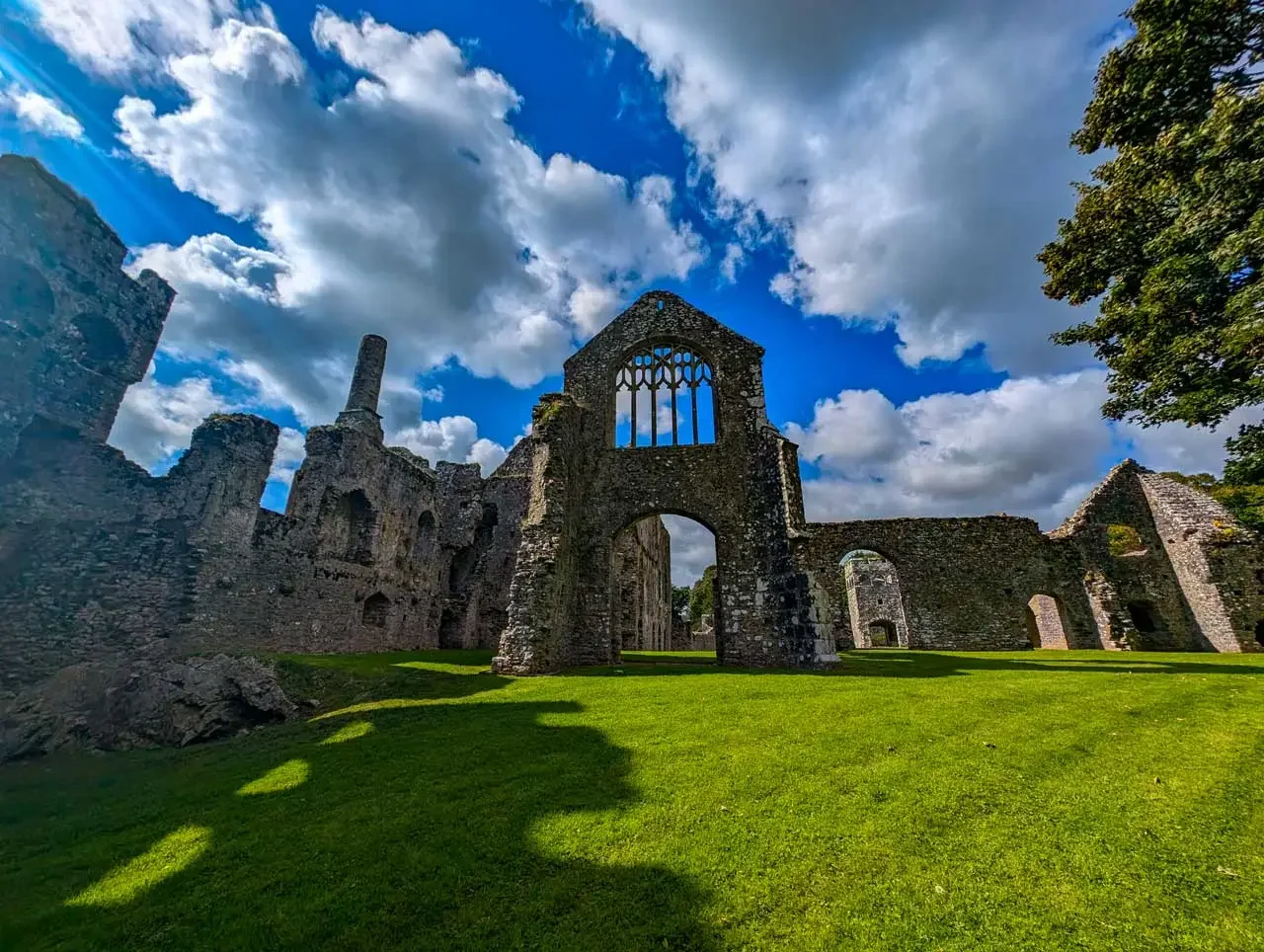
Lamphey Bishop's Palace is a medieval palace complex in Pembrokeshire. It served as a residence for the Bishops of St Davids. The site dates from the 13th century. It shows how church leaders lived in comfort during the Middle Ages.
The palace stands near the village of Lamphey. It forms part of a wider group of historic sites in the area. Today, the remains are managed by Cadw. Visitors can explore large halls and towers.
Visiting
Lamphey Bishop's Palace is open to the public. Cadw manages the site.
Opening Times
1st April - 31st March: 10am-4pm
You should check the official Cadw page before travel:
https://cadw.gov.wales/visit/places-to-visit/lamphey-bishops-palace
Ticket Prices
Entry is free.
No ticket is required.
Directions
The site is near Lamphey village in Pembrokeshire.
It lies close to the A4139 road.
Lamphey railway station is within walking distance.
Facilities
There are no on-site facilities.
There are no toilets or cafés at the palace.
Dog Policy
Dogs are allowed.
They must be kept under control at all times.
Visitor Tips
Wear sturdy shoes. Ground surfaces are uneven
Take care near stone edges and walls
Visit in daylight. There is no lighting on site
Bring water. There are no facilities
Check weather before travel. The site is fully exposed
Allow time to explore all sections of the ruins
Combine your visit with Pembroke Castle for a full day trip
Keep dogs under control at all times
Nearby Castles (Part of a Castle Crawl!)
Pembroke Castle
Pembroke Castle is a large, well-preserved medieval fortress located in Pembrokeshire, South West Wales.
Carew Castle
The ruins of a castle, which has evolved from a Norman fortification to an Elizabethan country house. The site also includes the only fully restored tidal mill in Wales.
Laugharne Castle
Laugharne Castle was first established in the late 12th century by the Anglo-Norman de Brian family as a wooden ringwork fortification.
Kidwelly Castle
Kidwelly Castle is a Norman stone fortress in Carmarthenshire, South Wales. It stands above the River Gwendraeth and offers views of the surrounding countryside.
Manobier Castle
Manorbier Castle is a medieval fortress in Pembrokeshire. It dates from the Norman period. The site overlooks Manorbier Bay. The castle includes stone walls, towers, and a gatehouse.
A Brief History
Lamphey Bishop's Palace dates from the late 13th century. Bishops of St Davids built the site as a residence. It gave them comfort and status.
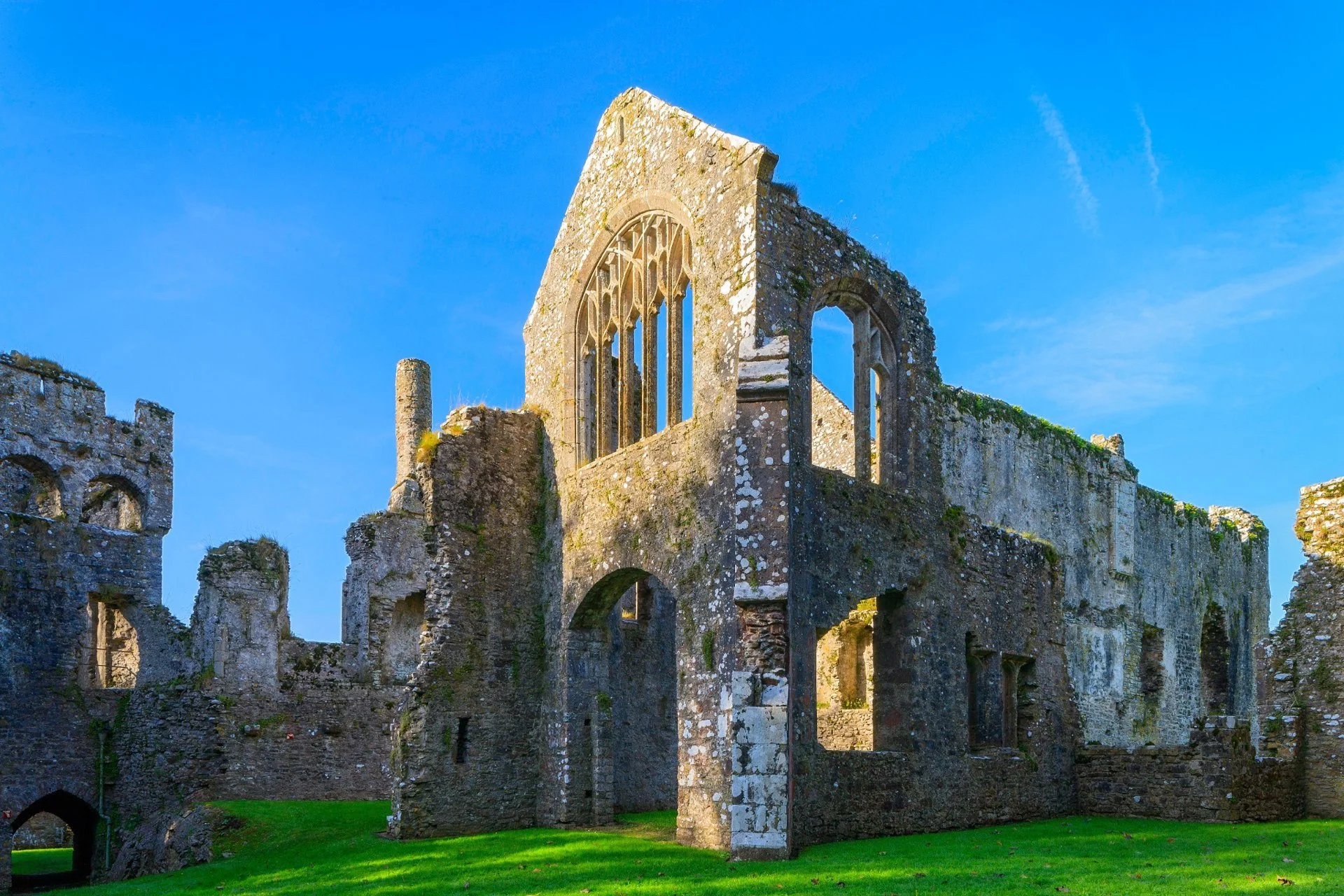
Henry de Gower led major building work in the early 14th century. He improved the Great Hall. He added large windows. These changes reflect high-status design of the period.
The palace formed part of the bishop’s estates in Pembrokeshire. It supported church control in the region. It also acted as a place for administration.
The site declined after the 16th century. The impact of the English Reformation reduced the power of the church. The palace fell out of use. It became a ruin over time.
Today, Cadw manages the remains. The structure still shows the scale of medieval church wealth.
Features and Layout
Lamphey Bishop's Palace includes several large stone buildings. The layout reflects high-status living.
Great Hall
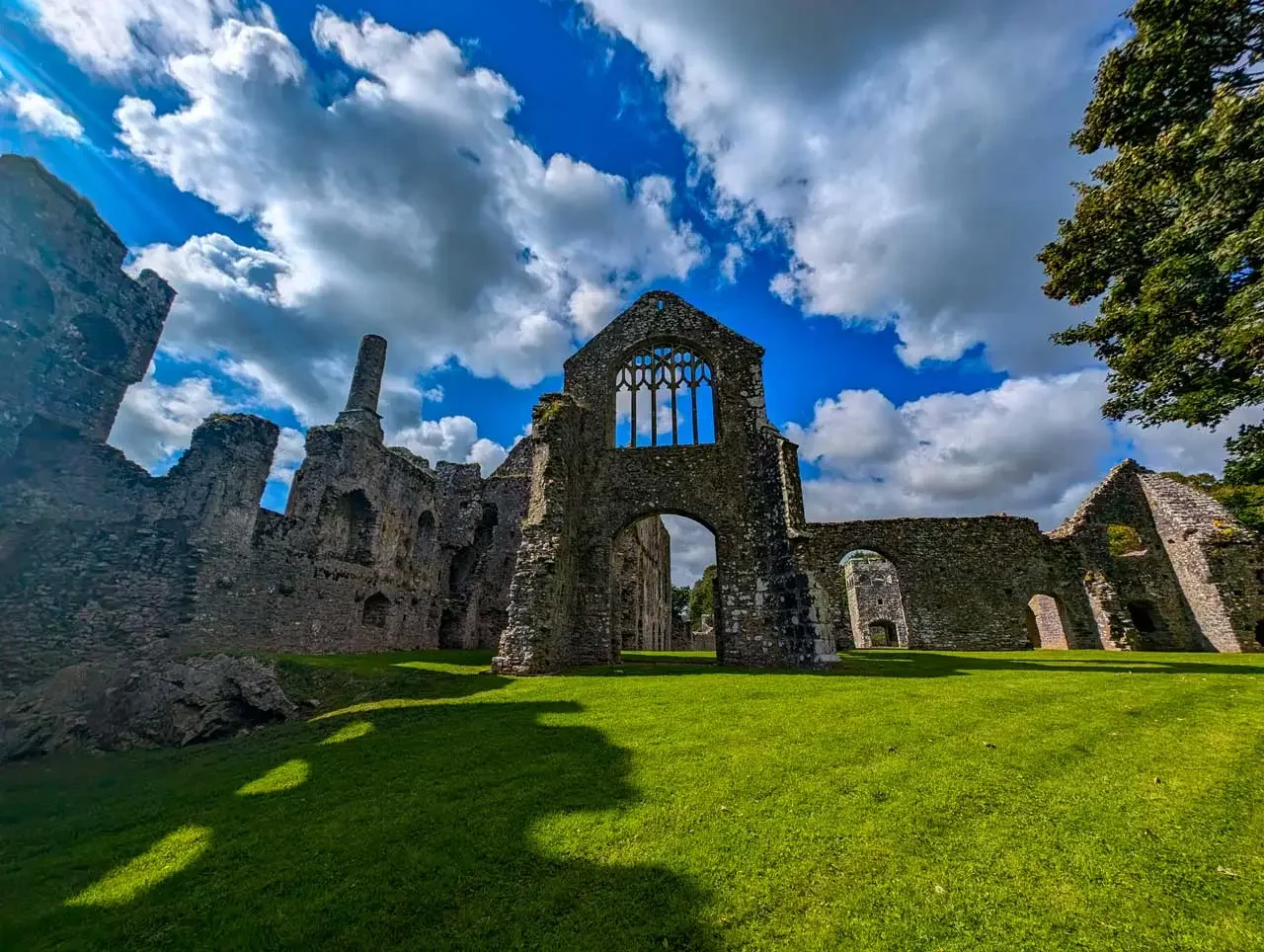
The Great Hall forms the main space. It dates to the early 14th century. Henry de Gower ordered its design. The hall has tall windows. These windows allowed more light than earlier medieval halls.
East Range (Private Apartments)
The East Range held private rooms. These rooms served the bishop and his household. The design shows a move towards comfort. It includes fireplaces and separate chambers.
Gatehouse and Courtyard
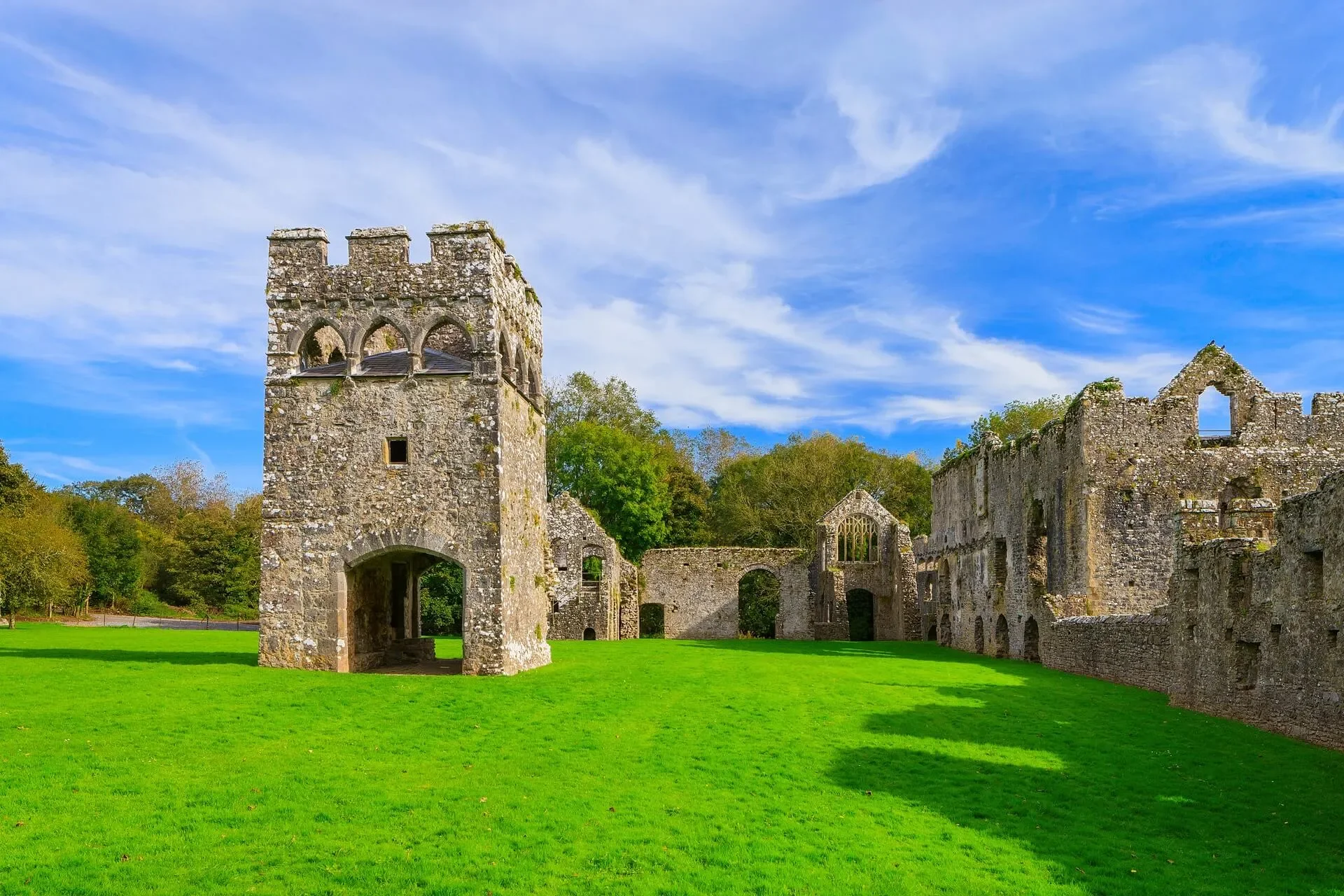
The gatehouse controlled access to the site. It led into a central courtyard. This space linked the main buildings. It also provided security.
Did You Know?
Some interior stone surfaces show wear from foot traffic. This detail shows how often the palace was in use during its peak period.
Images
Legends and Stories
Lamphey Bishop's Palace has few recorded legends. The site links more with documented history than folklore.
Local guide material notes that people report a quiet and isolated feel inside the ruins. This comes from visitor feedback rather than recorded legend. Some reviews on TripAdvisor mention this atmosphere.
There are no verified ghost stories tied to named figures. There are no medieval myths linked to the bishops. Most accounts focus on the scale of the buildings rather than stories.
Source note:
Visitor impressions referenced from TripAdvisor reviews
Local guide summaries from regional tourism material
FAQs
Is Lamphey Bishop’s Palace free to enter?
Yes. Entry to Lamphey Bishop's Palace is free. No ticket is required.
Who built Lamphey Bishop’s Palace?
Bishops of St Davids built the palace. Henry de Gower led major work in the 14th century.
How long does a visit take?
Most visits last 30 to 60 minutes. Time depends on how much you explore.
Is the site suitable for children?
Yes. Open space allows exploration. Supervision is needed due to uneven ground.
Can you reach the site by public transport?
Yes. Lamphey railway station is within walking distance.
Conclusion
Lamphey Bishop's Palace shows how bishops lived in the medieval period. The remains highlight wealth and status. The Great Hall and private rooms reflect comfort and design change.
The site is easy to access. Entry is free. It suits a short visit. Nearby sites such as Pembroke Castle add more context to the area’s history.
Sources
https://cadw.gov.wales/visit/places-to-visit/lamphey-bishops-palace
Provided official visitor information, access details, and site overview.https://coflein.gov.uk/en/site/94079/
Supplied historical records and architectural details.https://www.visitpembrokeshire.com/explore-pembrokeshire/towns-and-villages/lamphey
Gave local context and location information.