
Newport Castle: Visiting Guide, Tips & Tickets (2026)
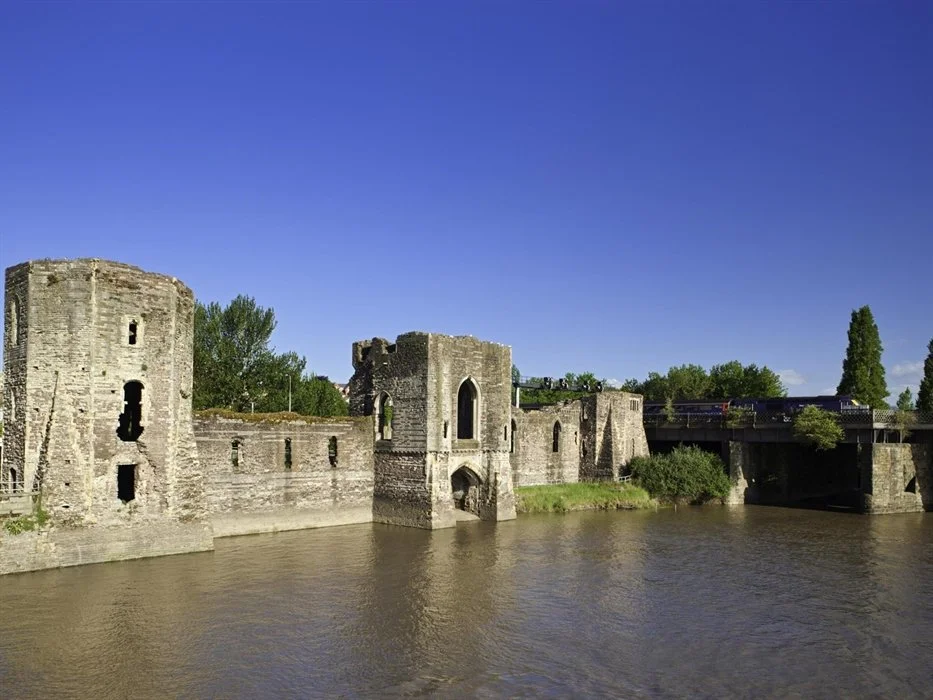
Newport Castle stands on the west bank of the River Usk. It lies near the town centre in Newport. The remains date from the 14th century.
The structure replaced an earlier Norman castle. It formed part of the defences along the River Usk. The site also controlled a key crossing point.
Today, only parts of the stone castle survive. You can still see sections of the great hall and towers. The site is managed as a historic monument.
Visiting Newport Castle
You can view Newport Castle from outside only. There is no public access inside the structure.
Opening Times
The site is open at all times for external viewing.
Ticket Prices:
Free to view. No ticket required.
Directions
The castle stands near the city centre in Newport. It lies close to the River Usk and major roads. You can reach it on foot from the train station.
Facilities
There are no visitor facilities on site. This includes toilets and shops.
Dog Policy
Dogs are allowed in the surrounding public areas. Keep them under control near roads.
The site is managed by Cadw. You can find more details here:
https://cadw.gov.wales/visit/places-to-visit/newport-castle
Visitor Tips
View the castle from safe public paths only
Take care near busy roads around the site
Visit in daylight for clearer views of the stonework
Bring a camera with zoom for detail on upper sections
Combine your visit with nearby attractions in Newport
Allow short visit time as there is no interior access
Nearby Castles (Part of a Castle Crawl!)
Ogmore Castle
Ogmore Castle is a Norman fortification in the Vale of Glamorgan, South Wales. It stands beside the River Ewenny, close to the village of Ogmore-by-Sea.
Coity Castle
Coity Castle is a medieval stronghold situated near Bridgend in South Wales. The site features a combination of Norman military architecture and later domestic buildings.
Cardiff Castle
Cardiff Castle is a medieval and Victorian-era site in the centre of Cardiff, the capital of Wales. The structure combines elements from Roman times, Norman fortification, and 19th-century Gothic Revival architecture.
Castell Coch
Castell Coch is a 19th-century Gothic Revival castle built on medieval foundations. It stands on a wooded hillside near Tongwynlais, just north of Cardiff.
Caerphilly Castle
Caerphilly Castle is one of the largest medieval fortresses in Britain. It stands in the town of Caerphilly, South Wales. The castle is known for its concentric design and large artificial lakes.
A Brief History
The first castle at Newport was Norman. It was likely a motte-and-bailey structure. This type used a raised earth mound and wooden defences.
The stone castle replaced it in the early 1300s. Hugh d'Audley ordered its construction. He held control of the lordship at that time.
The new castle guarded the River Usk crossing. This crossing linked routes between south Wales and England. The castle also supported trade and local rule.
The town was attacked and burned in 1405, the castle likely came under threat, though evidence of damage is limited.
By the 16th century, the castle had declined. New defence methods made it less useful. Parts of the structure fell into ruin.
Later development changed the area. Roads and railways cut through parts of the site. This caused further loss of the original layout.
Today, the remains show parts of the great hall and towers. The structure still reflects its medieval design.
Features and Layout
Newport Castle has a rectangular plan. It uses strong stone walls. The design focuses on defence and control of the river.
The great hall is the main feature. It faces the River Usk. Large arched windows remain visible. These windows provided light and status. You can still see their stone frames.
Two large towers stand at the southern end. These towers guarded the river approach. They also protected the main entrance.
The river wall forms a strong defensive line. It runs along the west side. This wall controlled access from the water.
Inside, the layout included living and service areas. Much of this space is now lost. Only wall sections and foundations remain.
Stonework shows signs of later damage. You can see wear from weather and past construction work nearby. Some stones have surface marks and erosion.
Did You Know?
Some of the window arches still show fine stone carving. This detail reflects the castle’s high status in the 14th century.
Legends and Stories
Local reports mention strange sounds at the site. Some visitors note footsteps near the towers. These reports appear in posts on TripAdvisor. They describe the area as quiet but uneasy at night.
Another story links the castle to the revolt of Owain Glyndŵr. Some local guides state that damage from the 1405 attack left a lasting mark. They claim the castle never fully recovered after this event.
There are also mentions of hidden passages. These stories appear in local guide material and online forums. No physical evidence confirms these passages today.
Did You Know?
Some visitors have reported carved marks on interior stones. These may be historic graffiti from later use of the ruins.
FAQs
Can you go inside Newport Castle?
No. Newport Castle is closed to the public. You can only view it from outside.
Who built Newport Castle?
Hugh d'Audley built the stone castle in the early 14th century.
Why is Newport Castle in ruins?
The castle lost its defensive value by the 16th century. Later building work nearby caused further damage.
Is Newport Castle free to visit?
Yes. You can view the exterior at no cost.
How long does a visit take?
Most visits last 10 to 20 minutes. There is no access inside the structure.
Conclusion
Newport Castle shows the remains of a 14th-century stone fortification. It once controlled a key river crossing. The site reflects medieval defence and local rule.
Only parts of the structure survive today. You can still see the great hall and towers. The location near modern roads shows how the area has changed over time.
The castle offers a short visit. It suits those with an interest in Welsh history and medieval sites.
Sources
https://cadw.gov.wales/visit/places-to-visit/newport-castle
Provides official site details, access information, and historical summary.https://coflein.gov.uk/en/site/307945/
Offers detailed archaeological and structural records of the castle.https://en.wikipedia.org/wiki/Newport_Castle
Gives an overview of the castle’s history and development timeline.